There are growing questions about accountability at the highest levels of power, and they’re coming from two very different directions. On one side, former President Bill Clinton and former Secretary of State Hillary Clinton are facing potential contempt proceedings after Bill Clinton failed to appear for a scheduled deposition before the House Oversight Committee as part of the Jeffrey Epstein investigation. Congress does have the authority to issue subpoenas, and refusing to comply can lead to contempt votes, first in committee and then by a full House vote. That said, former presidents often raise defenses like executive privilege or claims that subpoenas are overly broad, which historically makes actual enforcement unlikely.
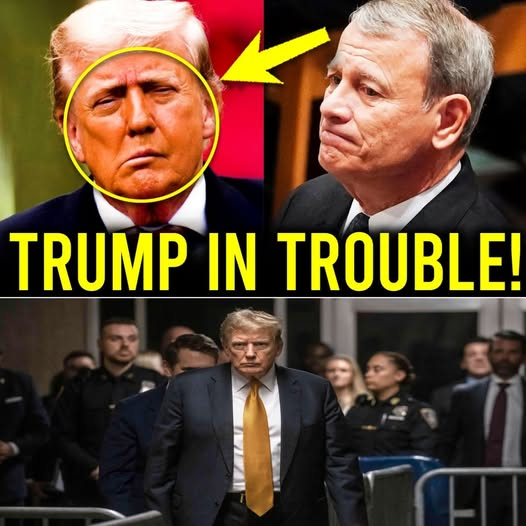
On the other side, the courts have taken a much tougher stance with Donald Trump. In his New York hush-money case, Judge Juan Merchan found Trump in criminal contempt multiple times for violating a gag order meant to protect jurors, witnesses, and their families. After issuing maximum fines that failed to change Trump’s behavior, the judge made it clear that jail time—up to 30 days—was legally on the table. While Trump ultimately avoided incarceration, the message was unmistakable: court orders are not optional, even for a former president. Together, these cases highlight a central question facing American democracy—whether the rule of law truly applies equally to everyone.

Leave a Reply