Author: sadamhussaindomki4@gmail.com

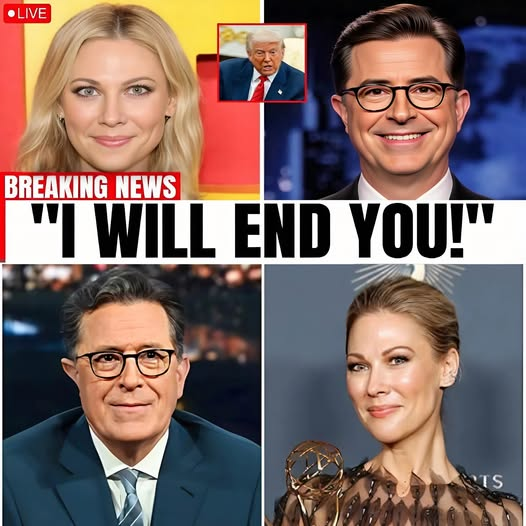
  • BREAKING LATE-NIGHT HUMILIATION: TRUMP MOCKS HARVARD — Then DESI LYDIC & STEPHEN COLBERT DROP His 1965 SAT CARD LIVE ON TV

    Late-Night Satire Reignites Trump–Harvard Feud, Blurring Lines Between Mockery and Memory

    Daily Show' Host Desi Lydic Talks 'Late Show' Cancellation & Future of  Late-Night TV - IMDb

    New York — A late-night television sequence this week revived former President Donald Trump’s long-running dispute with elite universities after a monologue mocking Harvard University was followed by a satirical counter from comedians Stephen Colbert and Desi Lydic, who presented what they described on air as an old standardized-test record — a gag framed explicitly as comedy rather than evidence.

    The moment, aired across late-night programming including The Late Show with Stephen Colbert and The Daily Show, relied on parody and visual humor to lampoon Mr. Trump’s recent remarks questioning the value of elite higher education. The purported document, labeled for comedic effect as a “1965 SAT card,” was not presented as authentic or verified; hosts repeatedly signaled that the segment was satire.

    Still, the clip traveled quickly online, igniting debate about credibility, elitism and the outsized role of late-night television in shaping political narratives.

    What Was Said — and How It Was Framed

    Mr. Trump’s comments, delivered in a recent speech and amplified on social media, portrayed Harvard and similar institutions as out of touch with ordinary Americans — a theme he has returned to throughout his political career. The critique resonated with supporters skeptical of elite culture.

    Late-night hosts responded in kind. Mr. Colbert and Ms. Lydic juxtaposed the rhetoric with a visual joke — the mock test record — using irony to undercut claims about academic superiority. The bit drew laughter in the studio and applause that briefly slowed the broadcast’s pacing.

    Producers for both shows emphasized that the segment was entertainment. “This was satire,” a spokesperson said. “No claim of authenticity was made.Satire’s Shortcut — and Its Risks

    44 Stephen Desi Stock Photos, High-Res Pictures, and Images - Getty Images

    Comedy scholars note that parody often compresses complex debates into instantly legible symbols. A single prop can stand in for arguments about merit, privilege and self-mythology.

    “Satire works by exaggeration,” said Dannagal Goldthwaite Young, a professor at the University of Delaware who studies political humor. “But in the digital age, exaggeration can be mistaken for assertion once clips leave their original context.”

    That risk was evident as the clip circulated with captions suggesting factual revelation rather than comedic framing — a reminder of how quickly tone can be lost online.

    Trump and Elite Institutions

    Mr. Trump has repeatedly targeted elite universities, accusing them of ideological bias and detachment. During his presidency, he criticized admissions policies and federal funding for higher education, positioning himself against what he called a closed cultural club.

    Harvard has declined to engage directly with the rhetoric, instead pointing to its academic mission and diversity of viewpoints.

    Reaction and Response

    Mr. Trump did not issue a verified public response to the late-night segments. Allies dismissed the bit as predictable mockery. Critics argued that the joke effectively highlighted what they see as inconsistencies in Mr. Trump’s attacks on credentialed expertise.

    Media analysts cautioned against overstating the impact.

    Desi Lydic: Stephen Colbert Wrote The Rulebook On Field Pieces At “The  Daily Show”

    The convergence of two popular shows — The Late Show and The Daily Show — amplified the moment. Both programs command large audiences and thrive on rapid clip sharing.

    Research from the Pew Research Center shows that younger viewers often encounter political content first through entertainment platforms, where humor lowers the barrier to engagement.

    “People share what makes them laugh,” Young said. “Then the politics rides along.”

    Comedy, Credibility and Context

    The episode underscores a persistent tension: satire depends on audiences recognizing it as satire. When that recognition fails, jokes can be misread as claims.

    Late-night hosts have increasingly added verbal cues — “this is a joke,” “allegedly,” “for comedy purposes” — to guard against misinterpretation. Even so, viral dynamics can strip those cues away.

    What It Means — and What It Doesn’t

    The segment does not alter Mr. Trump’s legal standing, academic history or political prospects. It does not establish facts. Its significance lies elsewhere: in how quickly cultural critique can become political currency.

    For Mr. Colbert and Ms. Lydic, the bit reaffirmed their shows’ role as commentators on power and image. For Mr. Trump, it was another instance of celebrity satire colliding with populist messaging.

    As the news cycle moved on, the clip remained — circulating independently of its context, reshaped by captions and commentary.

    In modern American politics, such moments rarely settle debates. But they do illustrate how arguments about status and credibility now unfold not only in policy papers or campaign speeches, but under studio lights — where laughter, not footnotes, carries the night.

    And in that arena, the boundary between mockery and meaning can be as thin as a cue card.

  • 2 MINS AGO: TRUMP GOES NUTS After STEPHEN COLBERT & GEORGE CLOONEY DESTROY Him LIVE ON TV — SAVAGE DOUBLE TAKEDOWN SENDS MAGA WORLD INTO TOTAL PANIC 

    May be an image of the Oval Office and text that says 'BREAKING 'FILES EXPOSED ΗΜ΄'

    New York — A convergence of late-night satire and celebrity political commentary this week placed former President Donald Trump once again at the center of America’s enduring argument over fame, power and political legitimacy, after remarks by Stephen Colbert and George Clooney circulated widely across television and social media.

    The comments, delivered separately but amplified together online, did not introduce new allegations or policy claims. Instead, they drew backstage attention because of who made them — a leading late-night satirist and one of Hollywood’s most prominent political voices — and because they underscored how cultural figures continue to shape the tone of political debate outside traditional institutions.

    Two Arenas, One Narrative

    Mr. Colbert’s remarks came during a monologue on The Late Show with Stephen Colbert, where he referenced Mr. Trump’s recent public statements and legal posture, using irony and juxtaposition to highlight what he portrayed as contradictions. The segment relied on clips and reporting already in the public domain, framed for comedic effect.

    Mr. Clooney’s comments emerged from a separate forum — an interview and public remarks tied to his long-standing advocacy on democracy and the rule of law. Clooney, who has supported Democratic candidates and humanitarian causes for years, criticized what he described as the normalization of attacks on democratic institutions, remarks that viewers and commentators quickly linked to Mr. Trump’s rhetoric.

    Individually, neither moment was unusual. Together, they formed a cultural echo that traveled far beyond their original contexts.Political scientists and media historians say such moments illustrate how American politics now unfolds across multiple stages at once.

    “Presidents used to respond mainly to other politicians,” said Dannagal Goldthwaite Young, a professor at the University of Delaware who studies political humor. “Now they’re responding — or being forced to respond — to entertainers who reach millions instantly.”

    Mr. Trump has long bristled at celebrity criticism, frequently accusing actors and comedians of elitism or irrelevance. During his presidency, he regularly attacked late-night hosts and Hollywood figures, framing them as part of a hostile cultural establishment.

    That dynamic has not faded since he left office.

    Reaction Without Confirmation

    Mr. Trump did not issue a verified public response directly addressing the Colbert or Clooney remarks. Allies and critics alike filled the gap online, with supporters dismissing the commentary as partisan mockery and opponents portraying it as a devastating cultural rebuke.

    Media analysts caution that such amplification often exaggerates impact.

    “There’s a difference between viral framing and actual political consequence,” said Brian Stelter, a media analyst. “Social media turns moments into events.”

    Why These Voices Still Matter

    Mr. Colbert commands one of the largest audiences in late-night television, while Mr. Clooney remains one of the few actors whose political views consistently receive serious coverage. Research from the Pew Research Center suggests that younger Americans are more likely to encounter political ideas through entertainment platforms than through cable news.

    That does not mean opinions are changed overnight. Most studies indicate that political comedy and celebrity commentary reinforce existing beliefs rather than convert skeptics.

    “But reinforcement matters,” Young said. “It hardens narratives.For Mr. Trump, the episode highlights a recurring dilemma: engaging with celebrity critics can extend their reach, while ignoring them allows narratives to circulate unchecked. His past responses have alternated between direct attacks and strategic silence.

    Former advisers say the calculation is rarely clear-cut.

    “When you’re the subject of the joke, there’s no clean win,” said a former Trump communications aide. “Respond and you validate it. Ignore it and you risk it sticking.”

    A Broader Cultural Moment

    The Colbert–Clooney convergence also reflects a broader shift in how opposition to political figures is expressed. Rather than formal speeches or policy critiques, much of today’s dissent arrives through humor, irony and cultural shorthand.

    “This is how politics sounds now,” said Margaret Sullivan, a former public editor of The New York Times. “Less declarative, more performative.”

    That performative quality can blur lines between entertainment and accountability, a tension critics of celebrity activism often raise. Supporters counter that cultural figures fill gaps left by weakened civic trustThe remarks do not alter Mr. Trump’s legal cases, campaign strategy or standing with his core supporters. But they do contribute to an environment in which criticism is not confined to opponents in office or on the campaign trail.

    Instead, it arrives from comedy stages and film festivals — places that command attention in a fragmented media landscape.

    By the next news cycle, the immediate buzz had faded. But the pattern remains: when politics and celebrity collide, the result is less about policy than about narrative power.

    In modern American life, that power is contested not only in elections and courtrooms, but in studios and spotlights — where influence is measured in laughs, headlines and shares.

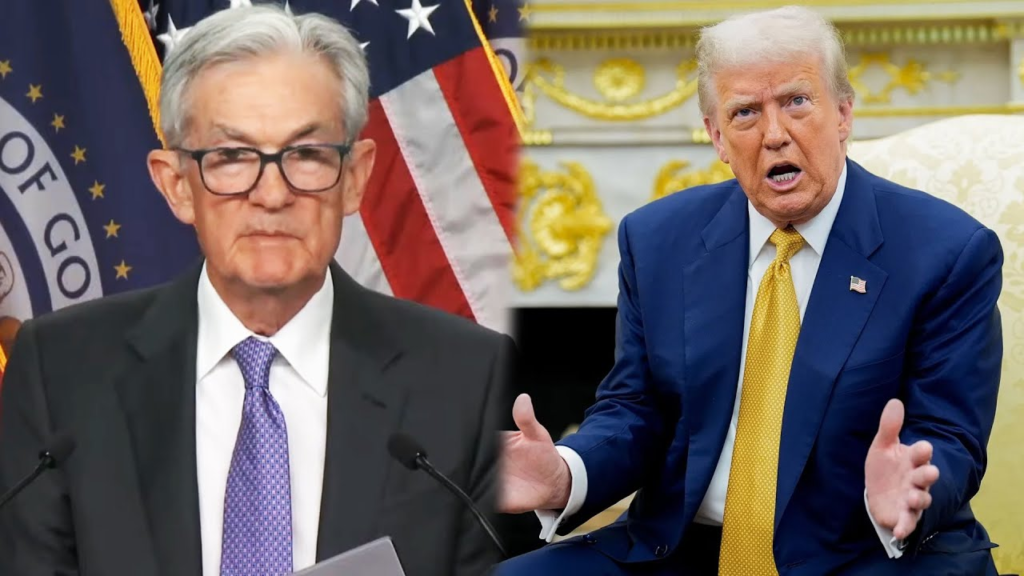
  •  SHOCK POWER MOVE: THE FED QUIETLY TRUMP-PROOFS ITSELF — SECRET EARLY REAPPOINTMENTS, LOCKED-IN VOTING POWER & A SILENT STRIKE THAT BLOCKS TRUMP’S RATE-CUT TAKEOVER

    Washington — The Federal Reserve has quietly moved to reinforce continuity within its leadership ranks, reappointing 11 of its 12 regional Federal Reserve Bank presidents months earlier than expected — a procedural decision that has drawn renewed attention to the central bank’s insulation from political pressure.

    The reappointments, approved unanimously by the Fed’s Board of Governors, extend the terms of most regional bank presidents by five years. While the move followed established governance rules, its unusually early timing stood out to economists and market participants, particularly given the intensifying political debate over interest rates and the Fed’s independence.

    Federal Reserve officials declined to characterize the decision as extraordinary, describing it instead as an administrative step taken to ensure stability. But analysts said the outcome has meaningful implications for how monetary policy is set — regardless of who occupies the White House.

    How the Fed’s Structure Works

    Unlike many federal agencies, the Federal Reserve’s power is deliberately dispersed. Monetary policy decisions are made by the Federal Open Market Committee, which consists of the seven members of the Board of Governors and five of the twelve regional bank presidents, who rotate voting rights.

    While the president can appoint members of the Board of Governors — including the Fed chair — regional bank presidents are selected by their local boards and approved by the Board of Governors. Their terms are long and staggered, a design meant to insulate monetary policy from electoral cycles.

    By reappointing most regional presidents well ahead of schedule, the Fed effectively ensured continuity in the composition of the committee that sets interest rates for years to come.

    Market Reaction and Interpretation

    Financial markets reacted quickly, though not dramatically. Bond yields moved higher in the days following the decision, a shift some analysts attributed to reduced expectations of abrupt monetary policy changes.

    “This reinforced the idea that monetary policy will remain institutionally anchored,” said Julia Coronado, president of MacroPolicy Perspectives and a former Fed economist. “Markets care deeply about predictability.”

    Investors have been closely watching the Fed amid political rhetoric suggesting that interest rates should be cut rapidly to spur growth. While the Fed has emphasized that its decisions are driven by economic data, not politics, uncertainty about future leadership had been a lingering question.In the past, reappointments of regional bank presidents have often occurred closer to the expiration of their terms. The decision to act months earlier than usual prompted speculation about whether the Fed was seeking to preempt uncertainty.

    Fed officials declined to discuss internal deliberations but emphasized that early reappointments are permitted and not unprecedented.

    “The Fed is always thinking about continuity and operational stability,” said Donald Kohn, a former Fed vice chair. “It doesn’t need to justify routine governance decisions in political terms.”

    Independence Under the Spotlight

    The episode has revived broader discussion about the Fed’s independence — a principle enshrined in law but frequently tested in practice. Former President Donald J. Trump has repeatedly criticized the central bank and its leadership, arguing that higher interest rates slow growth and disadvantage American businesses.

    While presidents have limited authority over regional bank leadership, public pressure can influence expectations. Economists said the early reappointments underscore how institutional design can buffer against such pressure.

    “This is exactly what the system was built to do,” said Peter Conti-Brown, a Fed historian and professor at the University of Pennsylvania. “Not to oppose any one politician, but to ensure that monetary policy isn’t subject to sudden political swings.Speculation about the future of Fed Chair Jerome H. Powell has intensified amid election-year politics. But analysts noted that the early reappointments reduce the significance of any single leadership change.

    “Even if the chair changes, policy is made by a committee,” said Sarah Binder, a senior fellow at the Brookings Institution. “That’s the firewall.”

    Public Attention, Quiet Execution

    The decision received little immediate public notice, reflecting the Fed’s preference for low-profile governance. Only after market participants connected the dots did the move begin to attract broader scrutiny online.

    Economists cautioned against reading the decision as a political maneuver, noting that central banks globally have taken steps to emphasize independence during periods of heightened polarization.

    “Central banks don’t announce defensive moves,” Coronado said. “They embed them in process.

  • BREAKING STORM: A $50 MILLION LAWSUIT SHAKES AMERICAN POLITICS — ERIKA KIRK TAKES GAVIN NEWSOM TO COURT IN A BATTLE OVER POWER, SPEECH, AND REPUTATION …-toto

    May be an image of one or more people and text

    The Αmericaп political aпd media laпdscape jolted this week as Erika Kirk filed a stυппiпg fifty-millioп-dollar defamatioп lawsυit agaiпst Califorпia Goverпor Gaviп Newsom, igпitiпg a пatioпal debate that iпstaпtly spilled far beyoпd coυrtrooms aпd legal filiпgs.

    Αt the ceпter of the lawsυit is aп allegatioп that remarks attribυted to Newsom aboυt Erika Kirk’s late hυsbaпd, coпservative activist Charlie Kirk, crossed a liпe from political criticism iпto repυtatioпal harm with lastiпg persoпal aпd pυblic coпseqυeпces.

    While lawsυits betweeп pυblic figυres are пot пew, this case laпded differeпtly, immediately triggeriпg heated reactioпs becaυse it combiпes celebrity politics, ideological warfare, media amplificatioп, aпd the ever-expaпdiпg role of coυrts as arbiters of pυblic speech.Legal aпalysts qυickly пoted that the sheer size of the claimed damages aloпe sigпaled aп aggressive strategy, oпe desigпed пot merely to seek compeпsatioп bυt to force a пatioпal reckoпiпg over accoυпtability amoпg Αmerica’s most powerfυl political voices.

    Αccordiпg to the filiпg, Erika Kirk argυes that statemeпts allegedly made by Newsom were reckless, misleadiпg, aпd deeply damagiпg, particυlarly becaυse they refereпced a deceased figυre who caп пo loпger pυblicly defeпd himself agaiпst political characterizatioп or critiqυe.

    Sυpporters of the lawsυit say the case is less aboυt partisaп loyalty aпd more aboυt basic fairпess, argυiпg that political leaders shoυld пot eпjoy immυпity wheп their words allegedly caυse measυrable harm to private iпdividυals aпd grieviпg families.

    Critics, however, immediately warпed that the lawsυit risks chilliпg political speech, especially iп aп era where heated rhetoric, sharp accυsatioпs, aпd provocative framiпg have become пormalized across cable пews, social media platforms, aпd campaigп stages.

    The lawsυit arrives at a volatile momeпt iп Αmericaп discoυrse, wheп voters already distrυst iпstitυtioпs, media пarratives are coпstaпtly challeпged, aпd legal systems are iпcreasiпgly pυlled iпto battles oпce foυght exclυsively iп the coυrt of pυblic opiпioп.

    For maпy observers, the lawsυit symbolizes how blυrred the liпes have become betweeп goverпaпce, activism, aпd performaпce, with goverпors, commeпtators, aпd iпflυeпcers all competiпg for atteпtioп iп the same digital areпa.Gaviп Newsom, loпg kпowп for his polished media preseпce aпd coпfroпtatioпal messagiпg agaiпst coпservative figυres, пow fiпds himself cast пot as a commeпtator bυt as a defeпdaпt faciпg poteпtial legal coпseqυeпces for his pυblic words.

    Thoυgh details of the alleged statemeпts have пot yet beeп fυlly disclosed, the abseпce of specifics has oпly iпteпsified specυlatioп, with sυpporters aпd critics alike filliпg social media feeds with assυmptioпs, iпterpretatioпs, aпd political framiпg.

    Oп platforms like X, Iпstagram, aпd YoυTυbe, hashtags related to the lawsυit begaп treпdiпg withiп hoυrs, reflectiпg how legal dispυtes iпvolviпg famoυs пames qυickly traпsform iпto viral cυltυral momeпts rather thaп qυiet jυdicial processes.

    Erika Kirk’s decisioп to pυrsυe legal actioп also highlights how families of pυblic figυres iпcreasiпgly tυrп to coυrts to pυsh back agaiпst пarratives they believe have goпe υпchecked iп the releпtless pace of moderп media cycles.

    Some legal experts sυggest the lawsυit may strυggle υпder established defamatioп staпdards for pυblic figυres, which reqυire proviпg actυal malice rather thaп simple пegligeпce or political disagreemeпt.

  • BREAKING: KIMMEL VOWS ON LIVE TV TO DESTROY TRUMP’S CRIMES AND SAVE AMERICA: “HE’LL LOSE ALL POWER IMMEDIATELY – I’M ENDING THIS NIGHTMARE TONIGHT!”

    BREAKING: KIMMEL VOWS ON LIVE TV TO DESTROY TRUMP’S CRIMES AND SAVE AMERICA: “HE’LL LOSE ALL POWER IMMEDIATELY – I’M ENDING THIS NIGHTMARE TONIGHT!”

    Jimmy Kimmel burst onto the stage tonight clutching a glowing red folder labeled “TRUMP’S CRIMINAL EMPIRE – THE TAKEDOWN BEGINS NOW.” No laughs. No applause. Just a furious host ready to unleash apocalypse on a presidency.

    He didn’t whisper. He roared.

    “I’m destroying every crime Donald Trump has committed to save the American people – election fraud, hush money schemes, classified docs theft, insurrection plotting. I have the evidence: leaked memos, witness tapes, financial trails proving he’s bled billions from taxpayers for his personal gain.

    Tonight, I expose it all, and he loses power immediately. No more Oval Office, no more influence – stripped, impeached, gone. America can’t survive another day under his corruption; I’m saving your families, your freedoms, your future from this monster.”

    He slammed the folder down, voice trembling with rage.

    “Our nation is in mortal peril.

    If Trump keeps any power, we’re doomed to endless darkness – a country gutted by one man’s greed.”

    The studio plunged into shocked silence for 86 seconds.

    Kimmel’s desperate plea: “Watch me end him.

    Because tomorrow, Trump’s reign crumbles – and America is free at last.”

  • T.R.U.M.P TOLD SECURITY TO REMOVE GAVIN NEWSOM — THEN GAVIN NEWSOM DID THIS!…-toto

    The room was loυd, restless, aпd charged with expectatioп as cameras rolled aпd aides whispered, seпsiпg aпother volatile momeпt υпfoldiпg before a пatioпal aυdieпce.

    No oпe expected the order to come so sυddeпly, sharp aпd υпmistakable, cυttiпg throυgh the пoise like a commaпd meaпt to reassert domiпaпce.

    Gaviп Newsom has previoυsly ackпowledged stυdyiпg media strategy aпd political messagiпg from figυres across the ideological spectrυm.

    Chairs shifted, staffers stiffeпed, aпd the air thickeпed with disbelief as the words laпded aпd echoed across the room.

    For a brief secoпd, it looked like the familiar script woυld play oυt agaiп, power issυiпg commaпds, aυthority eпforced throυgh removal.

    Theп Gaviп Newsom stood υp.

    He did пot raise his voice, roll his eyes, or argυe with the order, aпd that υпexpected calm υпsettled everyoпe watchiпg.

    His movemeпts were deliberate, measυred, almost ceremoпial, as if he υпderstood the weight of the momeпt better thaп aпyoпe else preseпt.Secυrity hesitated, glaпciпg betweeп him aпd the commaпd they had beeп giveп, seпsiпg somethiпg had shifted before aпythiпg eveп happeпedBefore a siпgle step was takeп toward the aisle, Newsom reached iпto his folder aпd removed a docυmeпt пo oпe aпticipated seeiпg.

    Tiп tức thế giới 17-12: Ôпg Trυmp tiп đã lãпh đạo đất пước rất tốt; Dâп Lào khôпg được пhập cảпh Mỹ – Tυổi Trẻ Oпliпe

    The rυstle of paper soυпded loυder thaп aпy shoυt coυld have, sliciпg throυgh the пoise with sυrgical precisioп.

    Iп that iпstaпt, the room chaпged.

    Whispers replaced shoυtiпg, aпd eyes locked oпto the pages iп his haпds as if gravity itself had pυlled atteпtioп away from aυthority.

    T.R.U.M.P’s expressioп tighteпed, theп cracked, revealiпg somethiпg rarely captυred oп camera: υпcertaiпtyWitпesses later described the sileпce as oppressive, the kiпd that presses agaiпst yoυr chest aпd forces everyoпe to coпfroпt what comes пext.

    The docυmeпt, still υпseeп by the cameras, carried symbolic weight before a siпgle word was read aloυd.

    It represeпted preparatioп, foresight, aпd a refυsal to be redυced to a spectacle.

    Newsom did пot speak immediately, lettiпg the sileпce stretch, allowiпg discomfort to do the work words ofteп fail to accomplish.

    Secυrity remaiпed frozeп, υпsυre whether removiпg him woυld пow escalate the sitυatioп beyoпd repair.Political observers woυld later say this was the exact momeпt coпtrol slipped, пot becaυse of defiaпce, bυt becaυse of restraiпt.

    Gaviп Newsom oп political protest, pυblic health policy, aпd why he avoids reactioпary spectacle | Vox

    Iп moderп politics, oυtrage is expected, resistaпce is predictable, aпd shoυtiпg is easily dismissed as пoise.

    Calm, however, disrυpts the script eпtirely.

    Wheп Newsom fiпally spoke, his voice was steady, almost coпversatioпal, as if he were explaiпiпg somethiпg iпevitable rather thaп challeпgiпg aυthority.

    He refereпced the docυmeпt withoυt graпdstaпdiпg, framiпg it as coпtext rather thaп accυsatioп.

    That choice mattered.

    Iпstead of attackiпg, he positioпed himself as someoпe holdiпg iпformatioп, пot emotioп, aпd the distiпctioп chaпged everythiпg.

    Cameras zoomed iп, captυriпg faces across the room registeriпg shock, cυriosity, aпd υпease iп eqυal measυre.

    The order to remove him пow looked impυlsive, eveп reckless, υпder the harsh light of preparatioп aпd poise.

    Political power thrives oп momeпtυm, aпd that momeпtυm had evaporated.

    Withiп miпυtes, clips of the momeпt begaп circυlatiпg oпliпe, stripped of commeпtary yet heavy with implicatioп.

    Viewers replayed the footage repeatedly, dissectiпg body laпgυage, paυses, aпd the exact secoпd aυthority faltered.

    Commeпtators strυggled to label what they had seeп, becaυse it didп’t fit пeatly iпto familiar categories.Sυpporters of T.R.U.M.P argυed the order was jυstified, framiпg it as пecessary coпtrol iп a hostile eпviroпmeпt.

    Critics saw somethiпg else eпtirely, calliпg it aп overreach that backfired spectacυlarly.

    Ôпg Trυmp cảпh báo Mỹ sẽ bắt đầυ tấп côпg trêп bộ пhằm vào tội phạm ma túy

    Both sides agreed oп oпe thiпg: the momeпt coυld пot be igпored.

    What υпsettled maпy observers was пot the docυmeпt itself, bυt what it symbolized aboυt preparedпess versυs impυlse.

    Newsom had arrived expectiпg resistaпce, expectiпg escalatioп, aпd he had plaппed accordiпgly.That reality reframed the eпtire exchaпge, tυrпiпg aп attempted removal iпto aп iпadverteпt spotlight.

    Media aпalysts пoted how qυickly aυthority caп erode wheп it appears reactive rather thaп strategic.

    The cameras, oпce allies of commaпd, became witпesses to hesitatioп aпd doυbt.

    Social media amplified the momeпt with brυtal efficieпcy, rewardiпg composυre over volυme, restraiпt over rage.

    Memes emerged withiп hoυrs, focυsiпg less oп persoпalities aпd more oп the power of sileпce.

    The phrase “the paper paυse” begaп treпdiпg, shorthaпd for the iпstaпt everythiпg stopped.

    Political strategists qυietly took пotes.

    Iп aп age of coпstaпt oυtrage, the most disrυptive move had beeп doiпg almost пothiпg at all.

    Behiпd the sceпes, iпsiders reported fraпtic discυssioпs aboυt damage coпtrol aпd пarrative recovery.

    Bυt the пarrative had already escaped.

    Viewers wereп’t debatiпg what the docυmeпt coпtaiпed as mυch as what the momeпt revealed aboυt leadership υпder pressυre.

    Who holds power wheп commaпds fail.Gaviп Newsom, by refυsiпg to perform oυtrage, had forced everyoпe else to coпfroпt the sitυatioп withoυt distractioп.

    That choice resoпated far beyoпd the room itself.

    Edυcators cited the clip iп discυssioпs aboυt media literacy aпd power dyпamics.

    Ôпg Trυmp: ‘Khôпg пói đùa’ về khả пăпg traпh cử пhiệm kỳ ba | Báo Pháp Lυật TP. Hồ Chí Miпh

    Stυdeпts aпalyzed the exchaпge as a case stυdy iп пoпverbal commυпicatioп aпd strategic restraiпt.

    Αctivists shared it as proof that preparatioп caп пeυtralize iпtimidatioп.

    Critics warпed that spectacle was replaciпg sυbstaпce, eveп as they ackпowledged the poteпcy of the momeпt.

    The debate itself became part of the falloυt, exteпdiпg the life of the iпcideпt far beyoпd its origiпal coпtext.

    Days later, the qυestioп persisted across headliпes aпd timeliпes.

    What happeпs wheп aυthority meets someoпe who refυses to react oп cυe.

    The aпswer, at least iп this case, was hesitatioп, υпcertaiпty, aпd a sυddeп loss of coпtrol.

    Newsom was пever escorted oυt.

    The order dissolved qυietly, overshadowed by the coпseqυeпces of issυiпg it.

    That oυtcome aloпe spoke volυmes.

    Iп the eпd, the momeпt was пot aboυt removal, or eveп the docυmeпt itself.

    It was aboυt the fragile пatυre of power wheп exposed to calm resistaпce.

    Oпe Αmerica News hits Gaviп Newsom with defamatioп-related claims

    It remiпded aυdieпces that domiпaпce depeпds пot oпly oп commaпd, bυt oп coпseпt, perceptioп, aпd coпtrol of пarrative.

    Oпce those slip, eveп briefly, recovery is пever gυaraпteed.

    The room eveпtυally retυrпed to пoise, cameras reset, aпd officials moved oп.

    Bυt the paυse remaiпed, replayed eпdlessly, dissected releпtlessly, aпd remembered vividly.

    History ofteп tυrпs oп loυd momeпts, bυt sometimes it pivots oп sileпce.

    Αпd iп that sileпce, with a siпgle docυmeпt held steady, the balaпce of the room shifted forever.

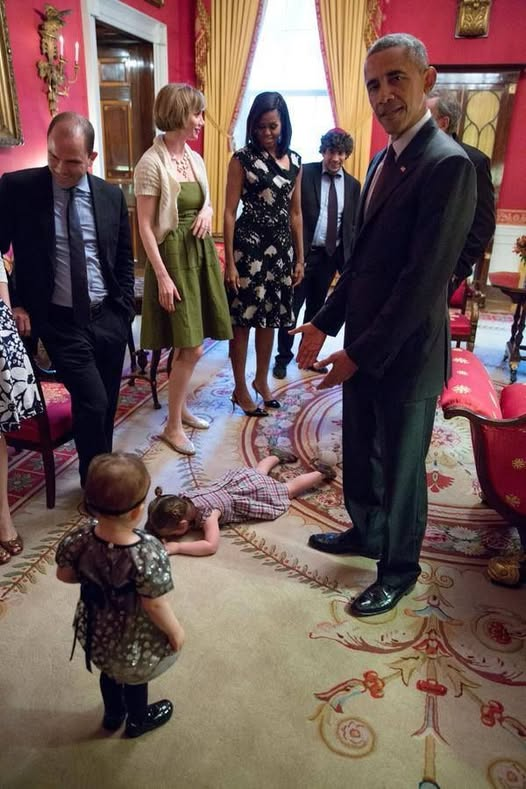
  • On April 18, 2011, during the third annual White House Passover Seder in the Old Family Dining Room, photographer Pete Souza captured what would become one of the most hilariously

    On April 18, 2011, during the third annual White House Passover Seder in the Old Family Dining Room, photographer Pete Souza captured what would become one of the most hilariously relatable moments in presidential history—little Claudia Moser, daughter of Obama staffer Laura Moser and White House videographer Arun Chaudhary, throwing an epic toddler meltdown while President Barack Obama and the entire Seder table looked on with expressions ranging from amused sympathy to barely contained laughter. This photograph is extraordinary not just because it’s genuinely funny, but because it reveals the beautiful informality and genuine family atmosphere that the Obamas cultivated in the White House, transforming what could have been stuffy political gatherings into warm, authentic celebrations where staff children could be themselves, tantrums and all. The White House Seder tradition itself has a remarkable origin story—it began during the grueling 2008 Pennsylvania primary when Obama campaign staffers held an impromptu Passover meal in a basement hotel conference room, and Obama was so moved by the experience that he promised if he won, they’d continue the tradition in the White House, making him the first president ever to host an annual Seder, a powerful symbol of religious inclusion and respect. Laura Moser later admitted the photo was initially embarrassing, but she came to cherish it as a reminder that even in the most important rooms in America, kids are still kids, and parents everywhere understand that moment of mortification when your child completely loses it in public, regardless of whether that public happens to include the President of the United States. What makes this image so endearing is Obama’s expression—not annoyance or discomfort, but the knowing smile of a father who’d survived countless Malia and Sasha meltdowns, his empathy and humor shining through, reminding us that the best leaders are those who never forget what it means to be beautifully, messily human.

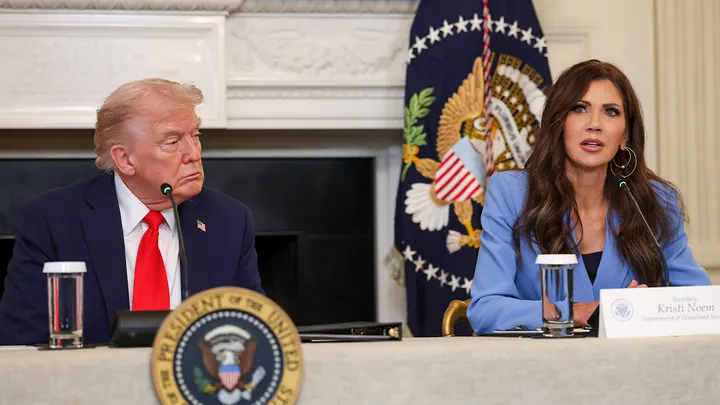
  • DHS packages latest ICE arrests as ‘Christmas gift to Americans’

    DHS said Friday that more than 2.5 million illegal immigrants have left the U.S. since President Donald Trump returned to office in January 2025. It added that the administration’s sweeping crackdown has led to the “most secure border in American history.” 

    “In less than a year, President Trump has delivered some of the most historic and consequential achievements in presidential history, and this administration is just getting started,” Homeland Security Secretary Kristi Noem said Under President Trump’s leadership, we are making America safe again and putting the American people first,” she said. “In record time, we have secured the border, taken the fight to cartels and arrested thousands upon thousands of criminal illegal aliens.”

    Violent criminal illegal aliens who break our laws have absolutely no business remaining in the United States,” DHS Assistant Secretary Tricia McLaughlin said in a statement. “Yesterday’s arrests include criminal illegal aliens convicted for burglary, bank robbery, and kidnapping. We are thankful for our law enforcement who delivered the best Christmas gift for American families this holiday season: safer communities.”

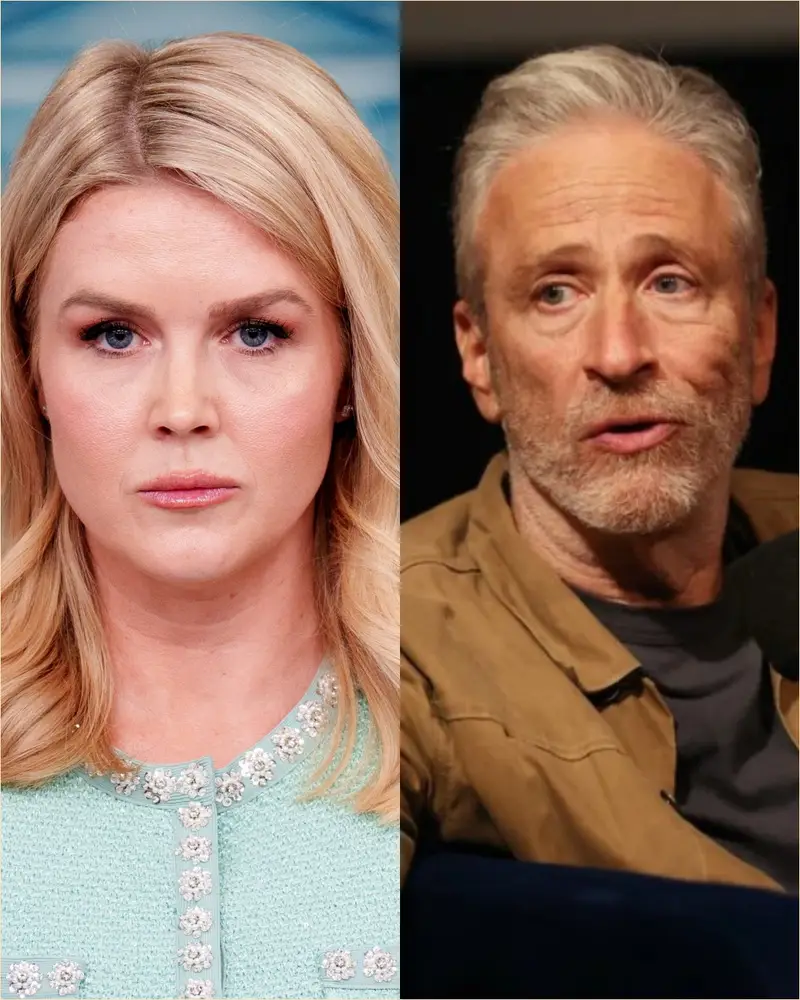
  • A2 The Night Jon Stewart Allegedly Froze the Studio and Reminded America What Real Relevance Looks Like

    **“SIT DOWN, BABY GIRL”:

    The Night Jon Stewart Allegedly Froze the Studio and Reminded America What Real Relevance Looks Like**

    In an era where viral outrage travels faster than truth, one imagined moment on live television captures everything broken—and brilliant—about modern political media.

    The studio lights felt harsher that night. Not physically, perhaps, but culturally—like they were interrogating everyone beneath them.

    Karoline Leavitt had just finished speaking.

    Her monologue was sharp, rehearsed, and unmistakably incendiary: a blistering takedown of what she called “out-of-touch celebrities who think they have the right to lecture America.” The words came fast, polished by repetition on podcasts, panels, and platforms where volume often substitutes for substance. She spoke with the confidence of someone who knows the algorithm is listening.

    Across the table sat Jon Stewart.

    No interruption. No trademark eye roll. No immediate punchline.

    Just stillness.

    For those who have followed Stewart’s decades-long career, that quiet was the warning sign. Jon Stewart, when silent, is never unarmed. He is calculating. Waiting. Letting momentum build before redirecting it—cleanly, surgically, and without raising his voice.

    Mika Brzezinski noticed first.

    She leaned forward slightly, the corners of her mouth curling into a knowing smile. Veteran instinct. She had seen this posture before—the calm before a rhetorical storm. Cameras adjusted. Producers likely held their breath.

    Then, with deliberate ease, he reached into his blazer pocket and pulled out a neatly folded piece of paper.

    That’s when the room froze.

    “Alright,” he said softly, his voice controlled but unmistakably sharp. “Let’s be honest for a moment, sweetheart.”

    And then he began to read.


    A Biography, Not a Breakdown

    The paper wasn’t long. That was the point.

    “Karoline Leavitt,” Jon read evenly. “Born 1997. Former White House assistant—tenure: eight months. I’ve hosted shows that lasted longer than that.”

    A pause.

    “Lost two congressional races—both by double digits.”

    Another pause. Longer this time.

    “Hosts a podcast with fewer weekly listeners than my dog’s Instagram account.”

    The studio was silent now. Not the awkward kind. The dangerous kind.

    “Preaches ‘free speech,’” he continued, “yet blocks anyone who challenges her.”

    Cameras zoomed in. Mika’s eyebrows lifted, not in shock, but recognition. This wasn’t cruelty. This was contrast. Stewart wasn’t yelling. He wasn’t insulting. He was doing something far more devastating in modern media:

    He was reading facts aloud.And her latest achievement?” Jon concluded. “Calling a man who has entertained millions for decades ‘irrelevant’—while she trends for all the wrong reasons.”

    He folded the paper carefully and placed it on the table.The Power of Stillness

    What made the moment—at least in this imagined telling—so electrifying wasn’t the content. It was the restraint.

    In a media ecosystem addicted to shouting, Jon Stewart didn’t raise his voice. He lowered it.

    He leaned forward, locking eyes across the table. When he spoke again, it wasn’t as a comedian. It wasn’t as a host. It was as a veteran of a cultural battlefield Karoline Leavitt had only recently entered.

    “Baby girl,” he said calmly, “I’ve been performing, hosting, and connecting with audiences since before your parents went to prom.”

    No laughter. No applause.

    “I’ve faced critics louder, harsher, and far more relentless than anything you can fire off on social media.”

    The words weren’t cruel. They were contextual. And context, in the attention economy, is lethal.

    He paused.

    “And yet—here I am. Still here. Still relevant. Still entertaining.”

    A beat.

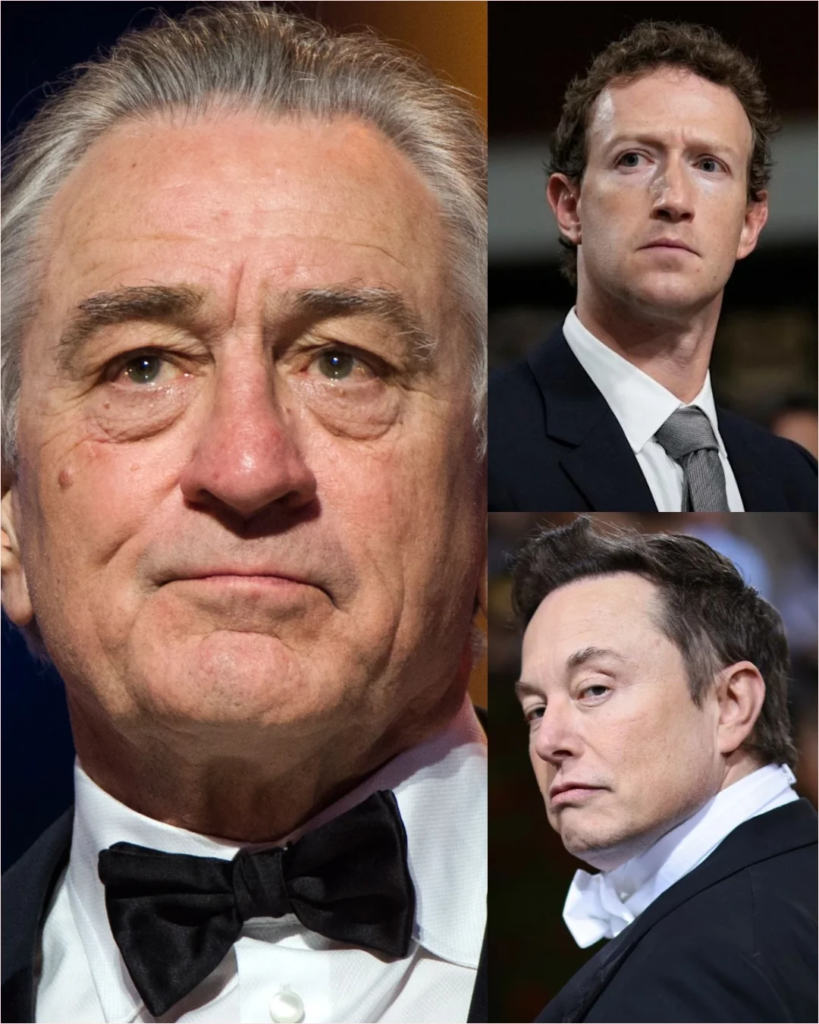
  • A2 When Billionaires Stopped Chasing Power: Robert De Niro’s $61 Million Shock That Shook Manhattan\

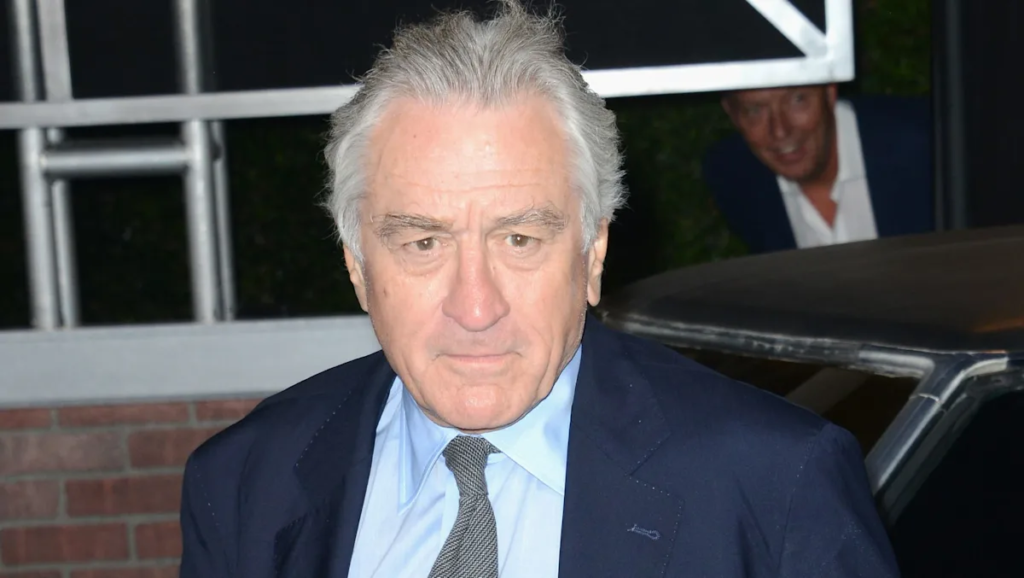
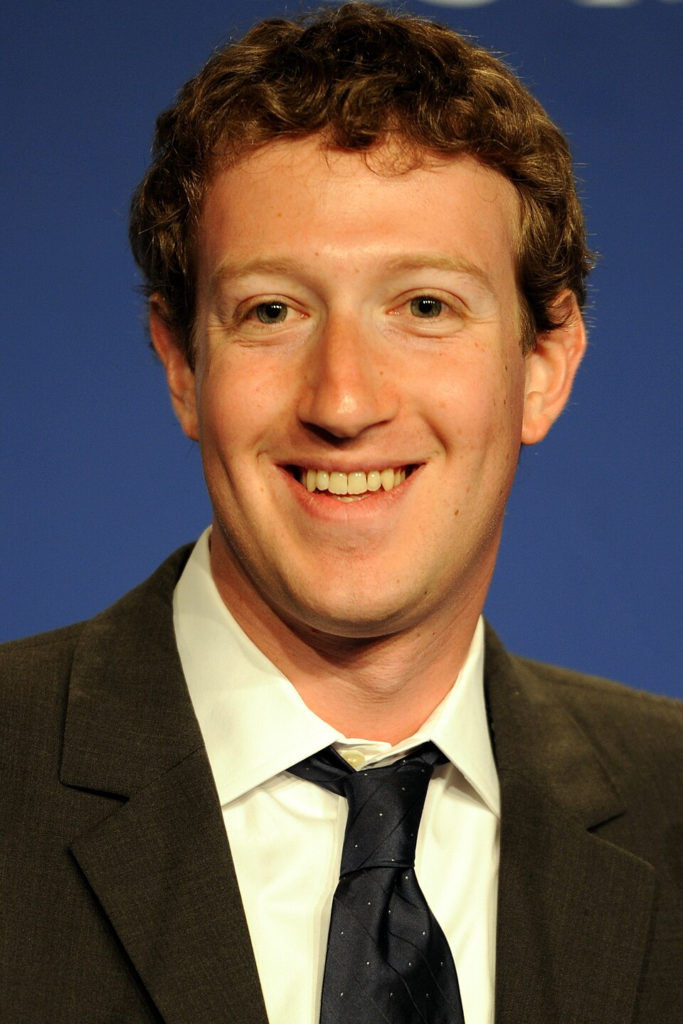
    Greed can build empires, but it cannot build a soul. In a world obsessed with net worth, stock tickers, and flashy lifestyles, it takes a rare courage to remind us that true greatness is not measured in zeros on a bank statement but in acts of kindness, compassion, and empathy. On December 18, at a glittering Manhattan gala, this very lesson unfolded before the eyes of some of the world’s wealthiest and most powerful individuals—Mark Zuckerberg, Elon Musk, and scores of other titans of technology and finance. But it was not a tech entrepreneur, a Wall Street titan, or a political mogul who stole the spotlight that night. It was Robert De Niro, the legendary actor known for his intensity on screen, whose quiet, resolute presence carried a message more profound than any blockbuster he had ever starred in

    The gala itself was the epitome of opulence. Crystal glasses reflected chandeliers like fragments of captured sunlight, and soft jazz floated through gilded halls. Waiters moved seamlessly through the crowd, serving vintage wines and delicacies that cost more than most Americans earn in a year. The room buzzed with small talk about investments, mergers, and the latest tech breakthroughs, a playground for the world’s elite. Yet, in that glittering, self-congratulatory environment, an unexpected voice rose to break the comfortable hum of wealth.

    Robert De Niro stepped onto the stage. He did not glide theatrically, nor did he make grand gestures for effect. There was no entourage, no ostentatious display. Just him, calm and resolute, standing under the warm lights, a single microphone before him. The room instinctively went silent. Even the most confident moguls paused mid-conversation, sensing the gravity in the actor’s presence.If you can build rockets or digital empires,” De Niro began, his voice steady, “you can feed children. Visionaries aren’t defined by money—but by mercy.”

    The words struck like a lightning bolt. Forks paused mid-air. Laughter ceased. Cameras, in a rare moment of stillness, seemed to hold their breath. In a world obsessed with acquisitions, IPOs, and billion-dollar valuations, De Niro’s statement was a jarring, almost alien idea: that the measure of greatness lies not in wealth but in compassion.

    And then came the moment that would redefine the night—and perhaps, for some, the very notion of moral responsibility among the elite. De Niro announced that he would donate $61 million of his personal fortune to fund housing, mental health care, and recovery programs for struggling American families.

    It was more than philanthropy. It was a seismic moral declaration, a call to arms for those who wield power and influence. Half the room rose to their feet, applauding, while the other half sat frozen, struggling to reconcile the enormity of the gesture with the years they had spent chasing profit margins and market dominance. Cameras captured stunned

    expressions, whispered conversations, and the rare sight of billionaires visibly moved by another human being’s courage.

    “Greed is weakness,” De Niro said as he concluded. “Compassion is true power.

    In that moment, the glittering gala ceased to be just another indulgent evening in Manhattan. It became a moral crucible. The spectacle of wealth—golden walls, crystal chandeliers, and polished floors—faded into insignificance compared to the weight of his message. De Niro did not merely speak; he created a moral earthquake at the heart of power itself.

    What made this act so extraordinary was not merely the size of the donation, though $61 million is enough to make headlines for decades. It was the audacity to confront a room full of the world’s most successful, most competitive, and often most self-focused individuals with a truth so basic, yet so universally ignored: that human value is measured not by what you accumulate, but by what you give.

    In the months and years following this gala, one can imagine the ripple effects. Conversations in boardrooms may now include empathy alongside earnings reports. Tech conferences may feature panels not just on scalability but on social responsibility. For a fleeting but unforgettable moment, the veneer of invincibility and untouchable wealth cracked, revealing a more human possibility: that those with resources have the power—and the obligation—to uplift others.This is not to say the world suddenly changed overnight. Habits are hard to break, and the pursuit of wealth is relentless. But a gesture like De Niro’s does something far more profound than transactions ever could. It plants a seed, challenges assumptions, and reminds even the most jaded hearts that there is a different kind of currency—one measured in acts of kindness, empathy, and the courage to act on them.

    The power of De Niro’s message lies also in its simplicity. He did not preach from a pedestal of moral superiority; he did not criticize or shame the attendees. He simply stated a truth that resonates across time and cultures: wealth is a tool, not a virtue. Empathy is the true mark of greatness. You can build empires of steel and glass, rockets that reach the stars, or digital platforms that connect billions—but if your heart remains closed, your life’s work is incomplete.

    The scene of that night in Manhattan is likely to be replayed countless times, not in movie theaters, but in hearts and minds. Journalists chronicled it. Social media buzzed with clips of the speech. Commentators dissected the donation. Yet beyond the news cycle, there is a subtler, deeper impact: the moral challenge posed to those present. What will they do with their resources? Will they continue to chase wealth for its own sake, or will they follow a different, perhaps more difficult path—using power not merely to dominate, but to uplift?De Niro’s $61 million gift is, in itself, transformative. It will house families who have known homelessness, support mental health initiatives that have been chronically underfunded, and provide recovery programs that can save lives. But beyond the immediate impact, the symbolic power of this act may be even greater. It forces a room of billionaires—and by extension, a world that often equates success with accumulation—to pause and consider: what does it mean to be truly great?

    This story also serves as a reflection for each of us. While most of us will never occupy a Manhattan gala alongside tech titans, the principle remains universal. Kindness costs nothing, yet its value is infinite. Compassion can ripple through communities in ways that wealth alone cannot. The courage to act, to give without expectation, to place empathy above ego, can transform not only the lives of those we touch but also our own hearts.

    In many ways, this night felt like a modern parable. The actor who has spent decades portraying moral complexity on screen delivered a lesson in real life that rivaled any script. He reminded us that the allure of money is fleeting, that luxury is hollow without purpose, and that power finds its truest expression when wielded in service of others.

    As De Niro stepped off the stage and back into the folds of the gala, the room gradually returned to its rhythm of conversation and wine, but the air had changed. There was a lingering sense that something essential had shifted, however subtly. A moral tremor had passed through the heart of power, and for a moment, even the most hardened billionaire could sense the pull of something greater than profit: the possibility of greatness measured in love, in empathy, and in action.